
Introduction
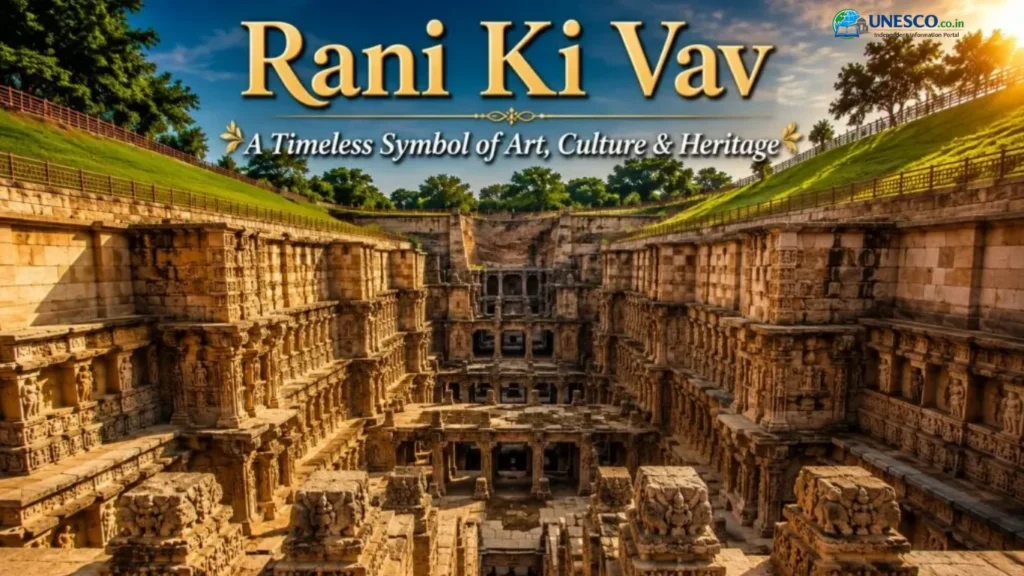
HISTORY OF RANI KI VAAV: Rani ki Vav is one of the most beautiful and historically significant stepwells in India. Located in Patan, Gujarat, this magnificent monument was built during the 11th century and is admired for its breathtaking architecture, detailed stone carvings, and cultural importance. Unlike ordinary wells, Rani ki Vav was designed as an underground architectural masterpiece where art, engineering, and history come together. Today, it is recognized as a UNESCO World Heritage Site and attracts thousands of visitors every year who come to admire its timeless beauty and learn about Gujarat’s rich heritage.
Rani Ki Vav Visiting Time
| Opening Time | Close Time |
| 7:00 A.M | 6:00 P.M |
Ticket Informations
| Visitor Category | Ticket Price |
| Indian Citizens | ₹40 |
| SAARC & BIMSTEC Visitors | ₹40 |
| Foreign Nationals | ₹600 |
| Children (Under 15 years) | Free |
HISTORY OF RANI KI VAAV
Rani ki Vav was commissioned by Queen Udayamati in memory of her husband, King Bhima I of the Solanki dynasty. The stepwell was built not only as a tribute to the king but also to provide water for the local community. Over the centuries, the nearby Saraswati River flooded the area, covering the monument with layers of silt. As a result, the stepwell remained hidden for many years before archaeologists rediscovered and restored it. Today, it stands as one of the finest examples of ancient Indian architecture
Why It Was Built
The main purpose of Rani ki Vav was to store water and provide a reliable source of water throughout the year. It also served as a peaceful gathering place where people could rest, pray, and socialize. Queen Udayamati built the monument to honor her husband’s memory, making it both a practical structure and a symbol of love, devotion, and generosity. Its design reflects the importance of water conservation in ancient India
Architecture
Rani ki Vav is a masterpiece of Maru-Gurjara architecture. The monument features beautifully designed stairways, carved pillars, spacious corridors, and multiple underground levels leading to the well. Every part of the structure displays remarkable craftsmanship and attention to detail.
The balanced design, artistic carvings, and advanced engineering make it one of the greatest stepwells ever built and an outstanding example of medieval Indian architecture
Also Read:Machu_Picchu
UNESCO World Heritage Statu
Rani ki Vav was inscribed as a UNESCO World Heritage Site in 2014 because of its outstanding architecture, historical importance, and exceptional state of preservation. UNESCO recognized the monument as one of the world’s finest examples of stepwell construction. This recognition has helped preserve the site and introduced its remarkable heritage to visitors from around the globe
Also read: Champaner – Pavagadh Archaeological Park
Interesting Facts
Rani ki Vav contains hundreds of beautifully carved sculptures and is considered one of the deepest and most artistic stepwells in India. The monument remained buried underground for centuries, which helped protect many of its carvings from damage. It is also featured on India’s 100 banknote, highlighting its national and cultural significance.
How to Reach
Rani ki Vav is located in Patan, Gujarat, and is well connected by road. It is around 125 kilometers from Ahmedabad and can be reached by car or bus. Patan Railway Station is the nearest railway station, while the nearest major airport is Sardar Vallabhbhai Patel International Airport in Ahmedabad.
Also read: Rann Utsav Kutch – The Famous White Desert
Conclusion
Rani ki Vav is much more than a historic stepwell. It is a symbol of architectural brilliance, artistic excellence, and India’s rich cultural heritage. Its remarkable history, stunning sculptures, and UNESCO recognition make it one of the most fascinating places to visit in Gujarat. Whether you are a history lover, photographer, or traveler, Rani ki Vav offers an unforgettable experience that beautifully connects the past with the present.