
Introduction
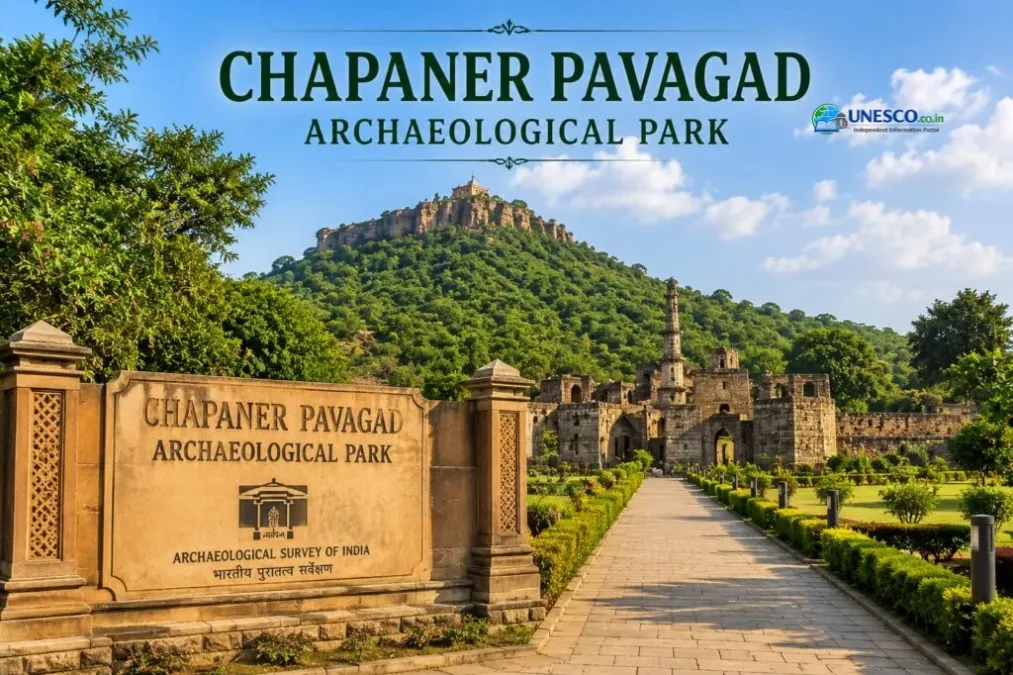
Champaner – Pavagadh Archaeological Park is one of Gujarat’s most treasured historical sites, located in the Panchmahal district of western India. Recognised as a UNESCO World Heritage Site in 2004, it is celebrated for its outstanding cultural, historical, and architectural significance. The site combines ancient temples, mosques, forts, palaces, stepwells, and residential structures, making it a unique destination where history and heritage come alive.
History of Champaner-Pavagadh
The history of Champaner dates back to the 8th century when it was founded by King Vanraj Chavda. The city later became the capital of Sultan Mahmud Begada in the 15th century after he conquered the region. Under his rule, magnificent mosques, gardens, palaces, and fortifications were built, transforming Champaner into an important political and cultural centre. Although the capital was later shifted, the remains of the city continue to tell the story of its glorious past.
Why It Is a UNESCO World Heritage Site
Champaner-Pavagadh Archaeological Park was inscribed on the UNESCO World Heritage List because it preserves an exceptional collection of archaeological monuments from different periods. It is one of the few places in India where Hindu and Islamic architecture exist together in harmony The site also represents a rare example of a pre-Mughal Islamic city that has remained largely untouched for centuries.
Major Attractions
The archaeological park offers many fascinating attractions, including the Kalika Mata Temple, Jami Masjid, Kevda Masjid, Nagina Masjid, Saher Ki Masjid, ancient stepwells, royal palaces, forts, and defensive walls. Visitors can also explore beautiful gateways, water reservoirs, and historic ruins that provide a glimpse into the city’s rich heritage
Architecture
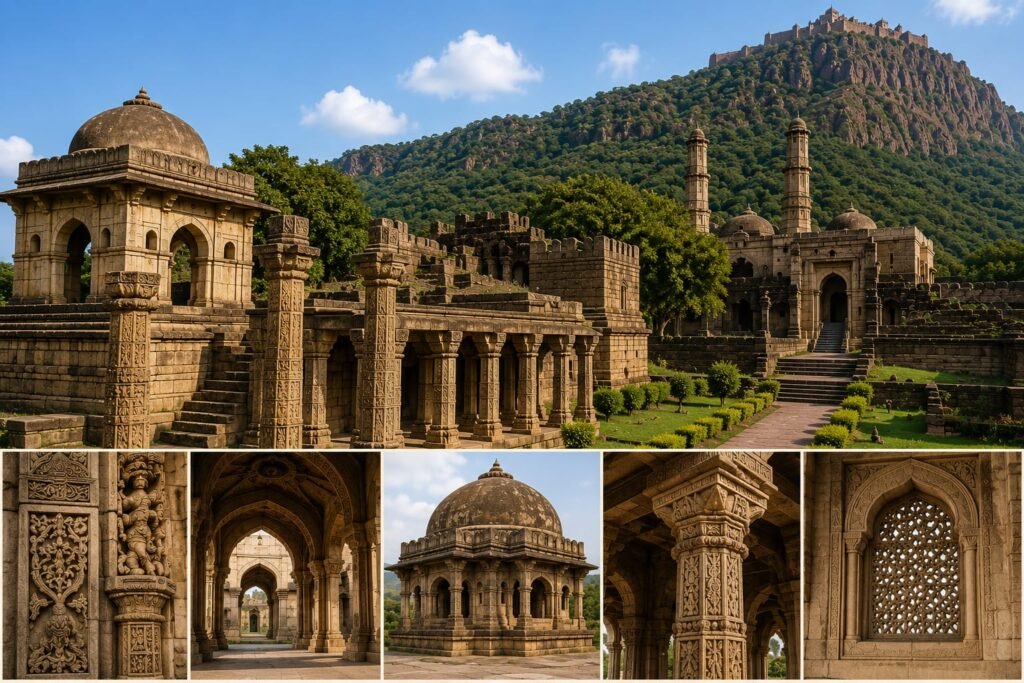
The architecture of Champaner-Pavagadh reflects a remarkable blend of Hindu craftsmanship and Islamic design. Beautiful stone carvings, elegant arches, intricately designed pillars, domes, and decorative windows highlight the artistic excellence of the period. The monuments demonstrate advanced engineering and exceptional attention to detail, making the site an architectural masterpiece
Best Time to Visit
The best time to visit Champaner-Pavagadh is between October and March, when the weather is pleasant and comfortable for sightseeing. During these months, visitors can explore the monuments and climb Pavagadh Hill without facing the intense summer heat. The monsoon season also adds lush greenery to the landscape, making the surroundings even more beautiful.
Also read: Rann Utsav Kutch – The Famous White Desert
Conclusion
Champaner-Pavagadh Archaeological Park is a perfect destination for anyone interested in history, architecture, culture, and spirituality.
Its remarkable monuments, scenic surroundings, and UNESCO recognition make it one of Gujarat’s most valuable heritage sites. A visit to this extraordinary archaeological park offers a memorable journey through centuries of Indian history and showcases the rich cultural legacy of the region.
Thank You For Visiting My Website
Thank You For Visiting My Website and Exploring the rich cultural and historical heritage of India.