
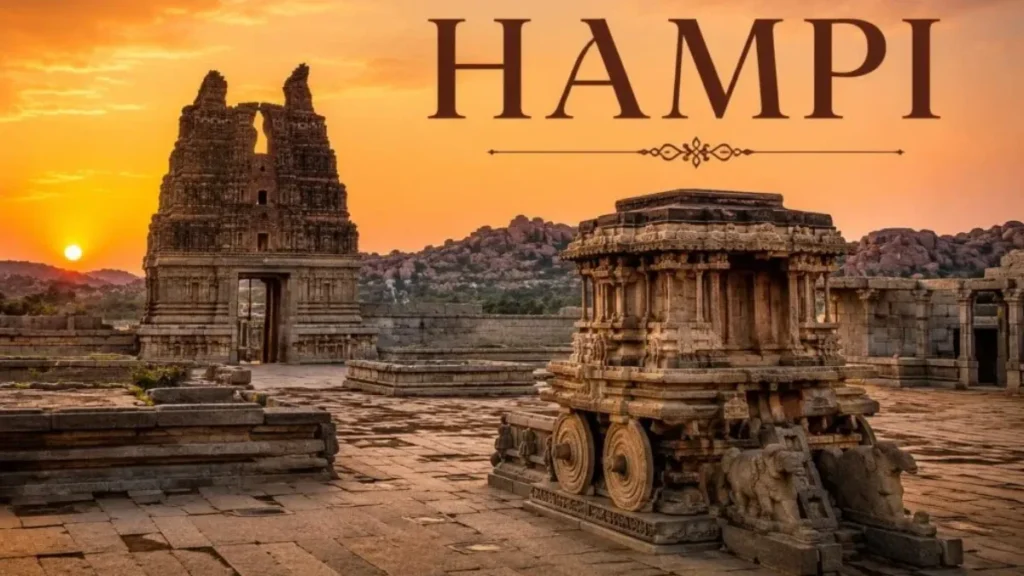
WELCOME TO HAMPI
Hampi is one of india’s most remarkable historical destinations and a UNESCO world Heritage site. Located on the banks of the Tungabhadra River in Karnataka, it was once the flourishing capital of the vijayanagara Empire. Today its magnificent temples, royal buildings, ancient marketplaces, and giant boulders tell the story of a powerful civilization that shaped south Indian history. waiking through hampi feels like stepping into a living museum where every stone has a tell the story..
History of Hampi
Hampi became the capital of the Vijayanagara Empire in the 14th century under the leadership of Harihara I and Bukka Raya. The city quickly grew into one of the largest and wealthiest cities in the world because of its thriving trade, strong military, and rich culture. Merchants from Persia, Portugal, and many other countries visited Hampi to trade precious stones, spices, silk, and horses. In 1565 after the Battle of Talikota, the city was attacked and largely destroyed. Although the empire declined, its temples, monuments, and ruins survived, preserving the memory of its glorious past.
Why Hampi is a UNESCO World Heritage Site
Hampi was recognized as a UNESCO World Heritage Site because of its outstanding historical, architectural, and cultural value. The site contains hundreds of well-preserved monuments that represent the artistic achievements of the Vijayanagara Empire. It stands as an important symbol of India’s rich heritage and attracts visitors, historians, and researchers from around the world.
Also read JAIPUR-THE PINK CITY
Architecture of Hampi
The architecture of Hampi combines strength, beauty, and artistic excellence. Builders used massive granite stones to create temples, pavilions, gateways, palaces, and water systems. Every monument features detailed carvings of gods, dancers, animals, and scenes from everyday life. The unique style reflects the creativity and engineering skills of ancient Indian craftsmen.
Famous Monuments in Hampi
Virupaksha Temple
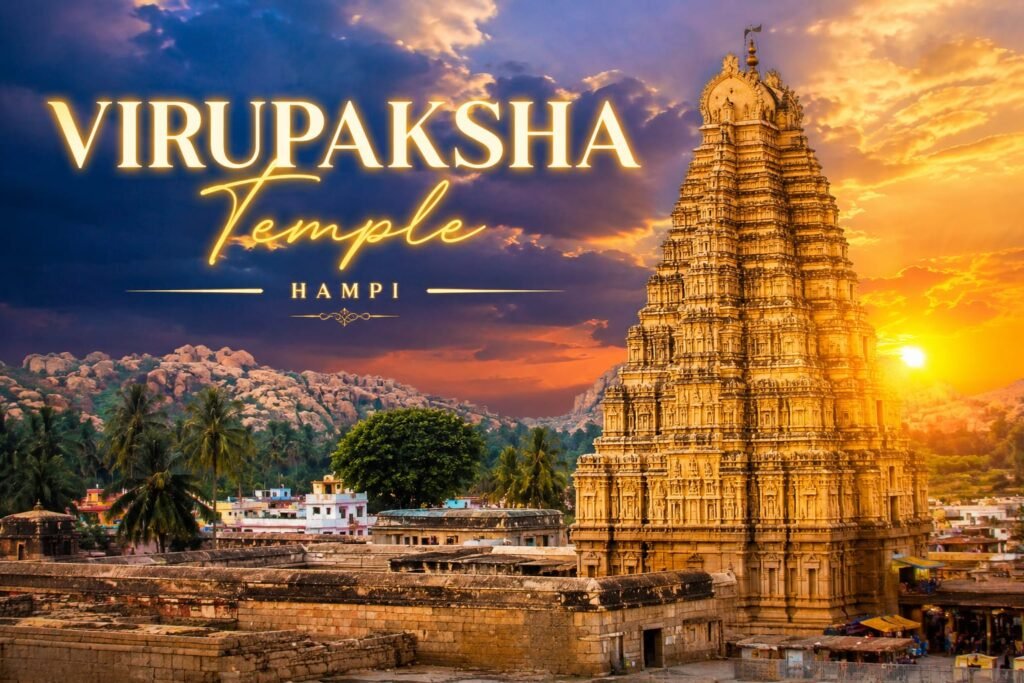
The Virupaksha Temple is the oldest active temple in Hampi and is dedicated to Lord Shiva. Its towering entrance, beautiful sculptures, and peaceful atmosphere make it one of the city’s most important landmarks.
Vittala Temple
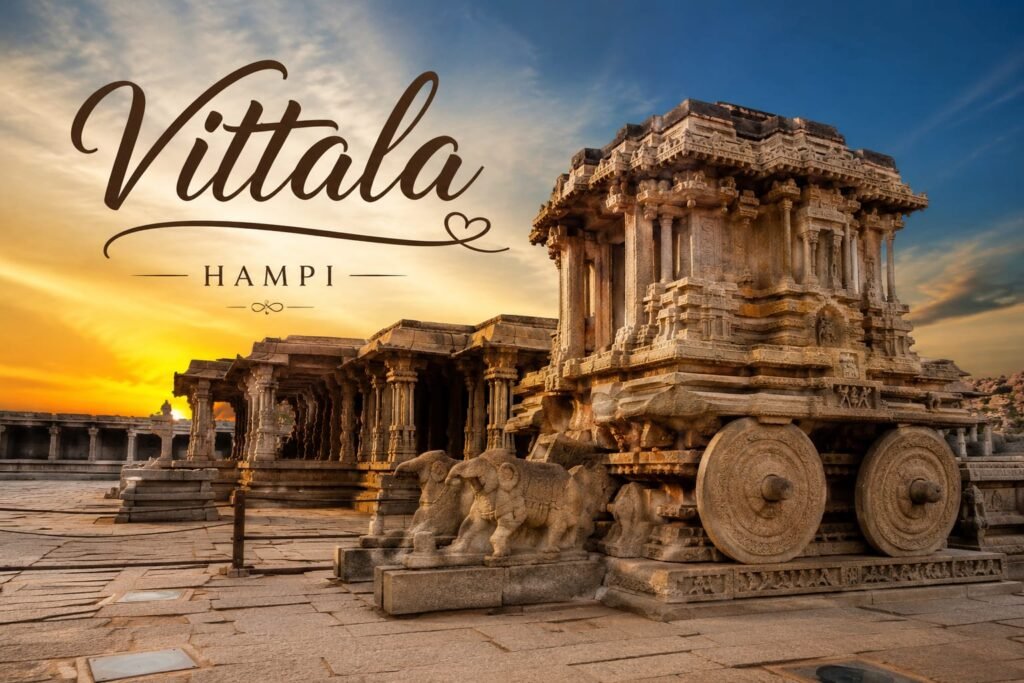
The Vittala Temple is famous for its magnificent Stone Chariot and beautifully carved musical pillars. It represents the finest example of Vijayanagara architecture and is one of the most photographed monuments in India.
Culture and Traditions
Hampi has always been a center of religion, art, music, and festivals. Even today, traditional celebrations, local crafts, and cultural performances keep its heritage alive. Visitors can experience the rich customs that have been passed down through generations.
Interesting Facts About Hampi
Hampi was once among the richest cities in the world
The famous Stone Chariot has become a symbol of Indian heritage.
The Vittala Temple’s pillars are known as “musical pillars.”
Hampi contains more than 1,600 surviving monuments.
Giant granite boulders surrounding the city create one of India’s most unique landscapes.
Conclusion
Hampi is more than a collection of ancient ruins-it is a timeless reminder of India’s glorious past. Its magnificent temples, royal architecture, artistic achievements, and fascinating history continue to inspire millions of visitors every year. Exploring Hampi is a journey through history that reveals the strength, creativity, and cultural richness of the Vijayanagara Empire.
Thank you for Visting our Website
Thank you for my website . We hope this website helped you learn about the rich history, magnificent architecture, and cultural importance of HAMPI.