
Introduction
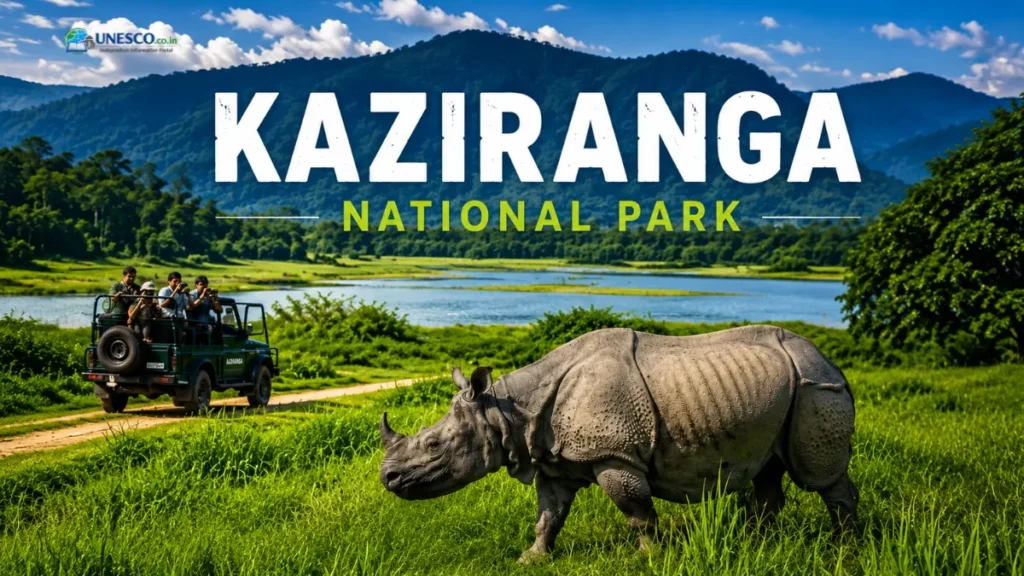
Kaziranga National Park is one of India’s most famous wildlife destinations, located in the state of Assam. Known for its breathtaking natural beauty and rich biodiversity, the park is home to the world’s largest population of the endangered one-horned rhinoceros. It is spread across the floodplains of the Brahmaputra River, creating a unique ecosystem of grasslands, wetlands, forests, and rivers. Recognized as a UNESCO World Heritage Site in 1985, Kaziranga is celebrated for its outstanding conservation efforts and incredible variety of wildlife. Visitors from around the world come here to experience thrilling jeep safaris, elephant safaris, birdwatching, and the chance to see rare animals in their natural habitat.
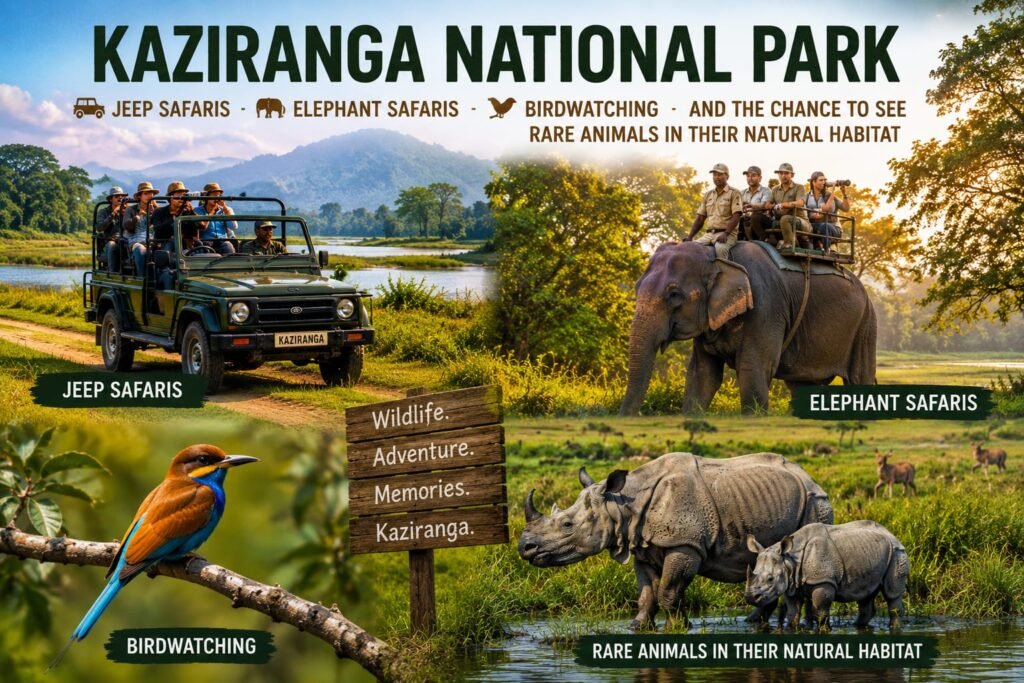
Kaziranga National Park is one of India’s most famous wildlife destinations, located in the state of Assam. Known for its breathtaking natural beauty and rich biodiversity, the park is home to the world’s largest population of the endangered one-horned rhinoceros. It is spread across the floodplains of the Brahmaputra River, creating a unique ecosystem of grasslands, wetlands, forests, and rivers. Recognized as a UNESCO World Heritage Site in 1985, Kaziranga is celebrated for its outstanding conservation efforts and incredible variety of wildlife. Visitors from around the world come here to experience thrilling jeep safaris, elephant safaris, birdwatching, and the chance to see rare animals in their natural habitat.
Why Kaziranga National Park is Famous
Kaziranga National Park is famous for protecting the world’s largest population of the endangered one-horned rhinoceros. It is also home to Bengal tigers, Asian elephants, wild water buffalo, swamp deer, leopards, and many other mammals .The park is equally renowned for its rich birdlife, attracting migratory birds from different parts of the world. With more than 500 bird species recorded, it is considered a paradise for birdwatchers. Its diverse landscape of tall grasslands, wetlands, dense forests, and river channels supports an extraordinary variety of wildlife. Visitors enjoy exciting jeep safaris and elephant safaris that provide unforgettable opportunities to observe animals in their natural habitat.
UNESCO World Heritage Status
Kaziranga National Park was inscribed as a UNESCO World Heritage Site in 1985 because of its exceptional biodiversity and successful conservation of endangered wildlife. The park meets UNESCO’s natural heritage criteria by protecting unique ecosystems and providing a safe habitat for many rare and threatened species. Its conservation efforts have helped the population of the one-horned rhinoceros recover significantly over the years. Today, Kaziranga stands as a global symbol of wildlife conservation and sustainable environmental protection.
Wildlife of Kaziranga National Park
Kaziranga is home to an incredible variety of wildlife. The park is best known for the Indian one-horned rhinoceros, but it also protects Bengal tigers, Asian elephants, wild water buffalo, swamp deer, hog deer, leopards, sloth bears, and many smaller mammals. The park also supports reptiles such as pythons, king cobras, and crocodiles, along with hundreds of species of butterflies and insects that contribute to its vibrant ecosystem.
Birdwatching in Kaziranga
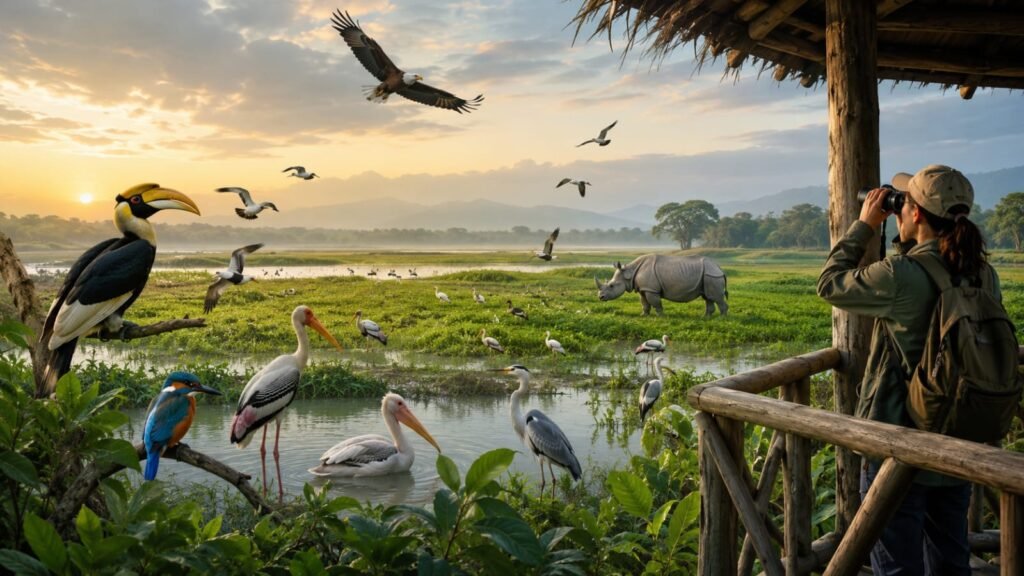
Kaziranga is recognized as an Important Bird Area because of its remarkable bird diversity. More than 500 bird species have been recorded here, including pelicans, storks, hornbills, eagles, kingfishers, herons, and numerous migratory birds. During winter, bird enthusiasts from around the world visit the park to observe rare and colorful species
Best Time to Visit
The best time to visit Kaziranga National Park is from November to April, when the weather is pleasant and wildlife sightings are more frequent. The park usually remains closed during the monsoon season because heavy rainfall and flooding make tourism unsafe.
Safari Experience
Visitors can explore Kaziranga through exciting jeep safaris and traditional elephant safaris. These guided tours allow tourists to observe rhinos, elephants, deer, birds, and sometimes even tigers from a safe distance while learning about the park’s unique ecosystem.
Also read: Welcome To Mohenjo-daro – The Lost City of the Indus Valley
Interesting Facts About Kaziranga National Park
Kaziranga has the world’s largest population of one-horned rhinoceroses.
It became a UNESCO World Heritage Site in 1985.
The park is home to the famous Big Five of Kaziranga-rhino, tiger, elephant, wild water buffalo, and swamp deer.
More than 500 species of birds have been recorded here.
How to Reach Kaziranga National Park
Kaziranga is well connected by road from Guwahati and Jorhat. The nearest airport is Jorhat Airport, while Guwahati Airport offers better connectivity with major Indian cities. The nearest railway stations are Furkating Junction and Guwahati Railway Station, from where visitors can travel by taxi or bus. Seasonal floods help maintain the park’s rich ecosystem.
Also read: TAJ MAHAL HISTORY-Taj Mahal-A Timeless Symbol of LOVE
Conclusion
Kaziranga National Park is a true jewel of India’s natural heritage. Its successful conservation of the one-horned rhinoceros, extraordinary biodiversity, and beautiful landscapes make it one of the most remarkable wildlife destinations in the world. Whether you are a nature lover, wildlife photographer, or adventure traveler, Kaziranga offers an unforgettable experience while showcasing the importance of protecting our planet’s precious ecosystems.
Thank You For Visiting My Website
We truly appreciate your time and interest in exploring our content. We hope you found the information helpful, interesting, and inspiring.